Project Crews Are Ready to Place the Very First Layers of Soil Over the Surface of the Annenberg Wildlife Crossing

Placement of the first layers of prepared soil over the surface of the crossing will launch what will be a nearly 1-acre native wildlife habitat across the 101 freeway

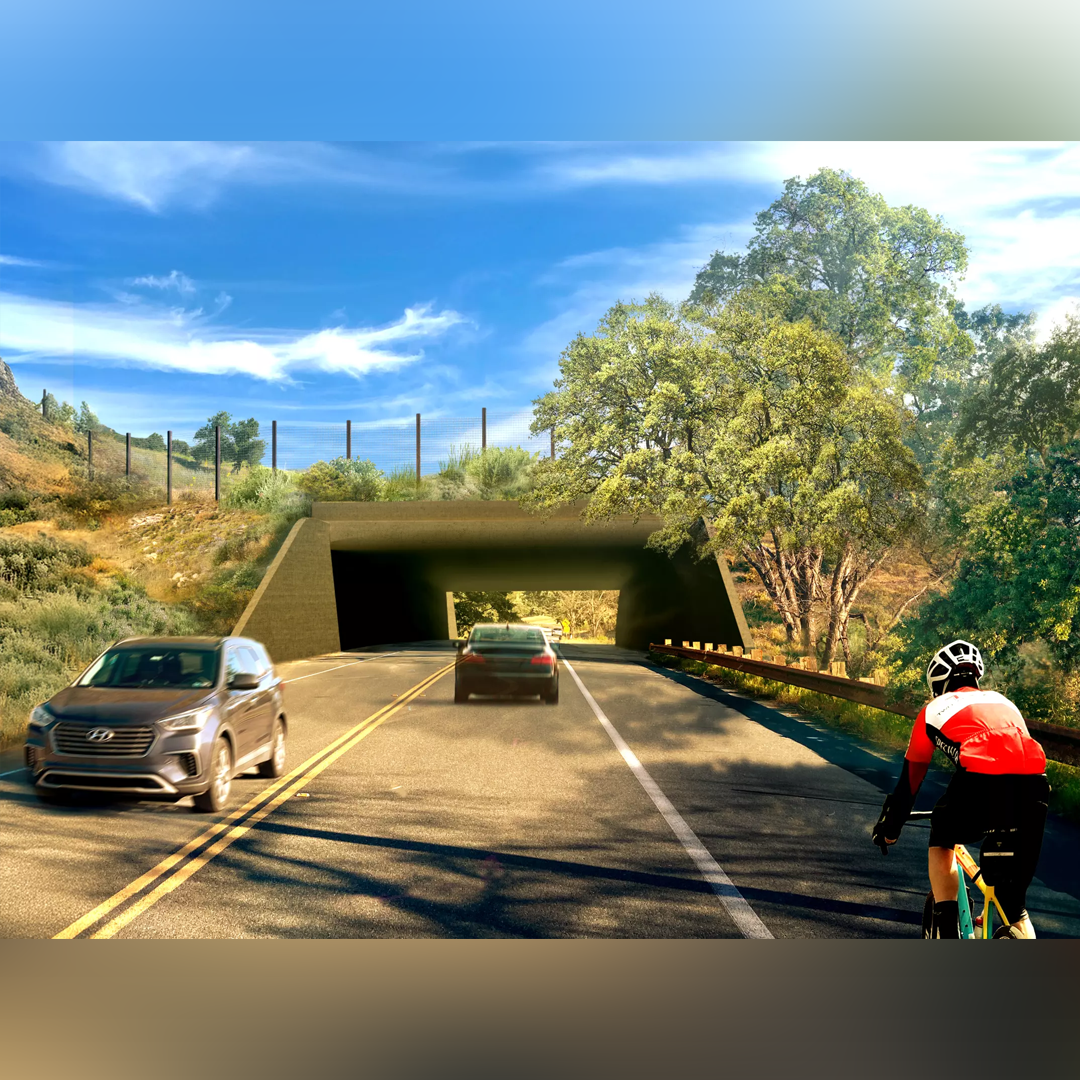
Agoura Hills, Calif. (March 27, 2025) – The #SaveLACougars campaign is inviting members of the press to capture a new and exciting milestone on the journey to complete the Wallis Annenberg Wildlife Crossing. Next week, project construction crews will begin placing the very first layers of prepared soil over the surface of the crossing – launching what will become a nearly 1-acre native wildlife habitat across ten lanes of the U.S. Highway 101 freeway in the City of Agoura Hills.  The exact date and time for the start of this work and other details that members of the press will need to access the construction site and capture the work, are forthcoming and will be announced separately.

When it’s completed, this visionary wildlife crossing will help wildlife travel safely across one of the busiest highways in the country, enhance motorist safety, restore local biodiversity, expand refuge for critical pollinator species, and help prevent the extinction of the local mountain lion population.

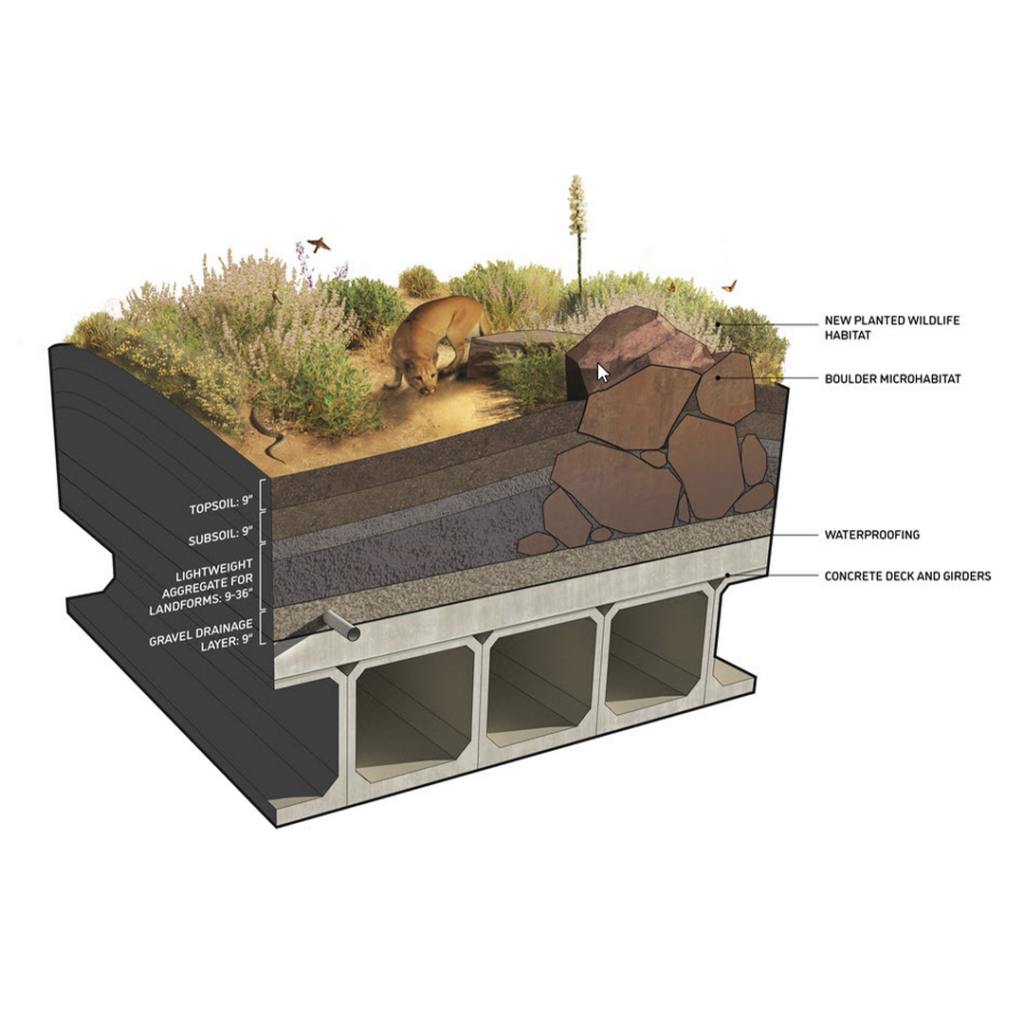
This latest project milestone is the result of years of meticulous work envisioned by the project’s landscape architecture team with the goal to create a native soil that will help plant life flourish. The effort required close collaboration with the team’s soil scientists, biologists, engineers, and mycologists who identified, harvested, and cultivated native soil biology and beneficial fungi from the site. Covering the entire surface of the crossing will require approximately 6,000 cubic yards of soil and will take several weeks to complete. Soil placement will be followed by the planting of about 5,000 native plants that will grow into a rich habitat that will support mountain lions, deer, bats, desert cottontails, bobcats, native bird species and monarch butterflies, to name a few. Weather permitting, planting is expected to begin in May.

The habitat on the bridge will be comprised exclusively of coastal sage scrub plant species native to the Santa Monica Mountains and, as part of the crossing’s restorative design approach – is part of a broader ecological restoration strategy that will revitalize an additional 12 acres of open space and require an additional 50,000 native plants, including native trees, shrubs, and perennials.

“I imagine a future for all the wildlife in our area where it’s possible to survive and thrive and the placement of this first soil on the bridge means another step closer to reality. This extraordinary structure will serve not only animals, but it will reconnect an entire ecosystem and protect this global biodiversity hotspot – this moment marks another wonderful milestone toward that goal.”
Wallis Annenberg
Chairman, President and CEO, Annenberg Foundation

Related News

The National Wildlife Federation’s #SaveLACougars campaign and project partners are celebrating the second and final.

While the first week of 2025 will be remembered for catastrophic wildfires, powered by historic,.

Chimp Haven will welcome more retirees from Alamogordo Primate Facility later this spring. Throughout 2025,.

Latest News

Chimp Haven will welcome more retirees from Alamogordo Primate Facility later this spring. Throughout 2025, the sanctuary will also mark its 30th anniversary by highlighting significant milestones over the last 30 years through special events, stories, and reflections.